Researchers, farmers and agri-businesses from around the world will meet in New Delhi next April, when the CGIAR Science and Partnership Week comes to India with more than 5,000 delegates expected.
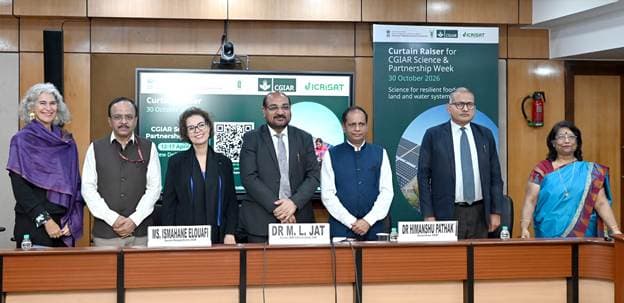
The Indian Council of Agricultural Research (ICAR) and CGIAR, an international agricultural research partnership, announced on 30 October that the event will run from 12 to 17 April 2027. It will bring together researchers, farmers, governments, startups and businesses to look at farm innovations already reaching farmers, and at where more work is needed. The programme and speakers will be announced in the coming months.
Why India
ICAR runs one of the world's largest national agricultural research systems, and its scientists have worked with CGIAR for more than 50 years. Ten CGIAR research centres now work in India on crops, water, livestock, fish, nutrition and policy. CGIAR as a whole has 15 centres working in more than 100 countries.
The partners gave one example of Indian science travelling abroad: a groundnut sample from India, conserved and shared by the International Crops Research Institute for the Semi-Arid Tropics (ICRISAT), contributed to varieties now grown in Malawi, Uganda, Mozambique and Zambia.
What India wants from it
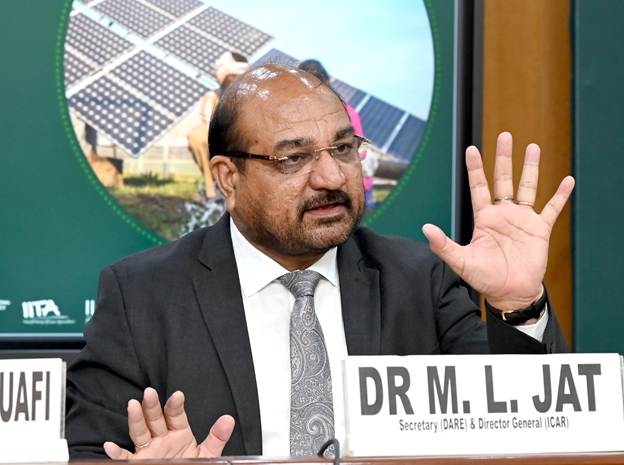
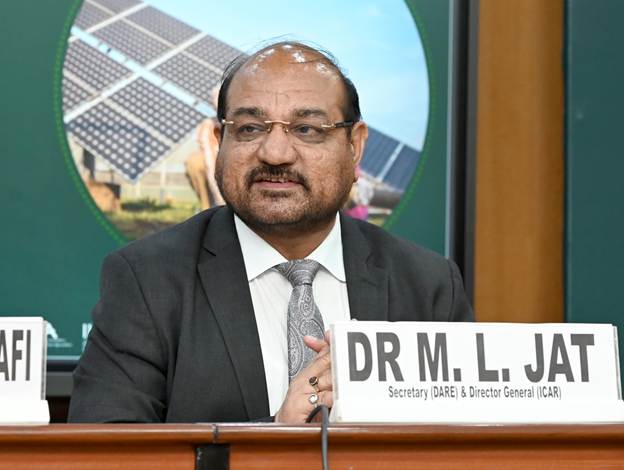
M. L. Jat, Secretary of the Department of Agricultural Research and Education and Director General of ICAR, said India's priority would be to promote South-South cooperation and share its farm innovations with the Global South, particularly African countries. He listed climate-resilient farming, digital agriculture and AgriStack, mechanisation, millets and natural farming as areas for collaboration.
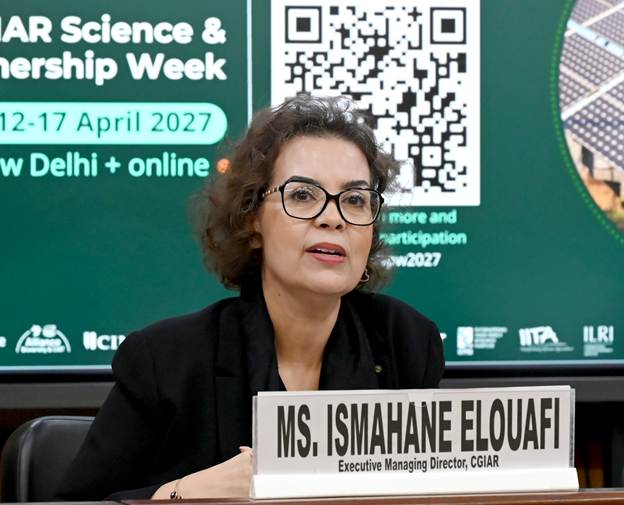
Ismahane Elouafi, Executive Managing Director of CGIAR, said India "has shown what strong national science can achieve at scale". She added: "Seed and knowledge from India already help farmers in Africa and Asia."
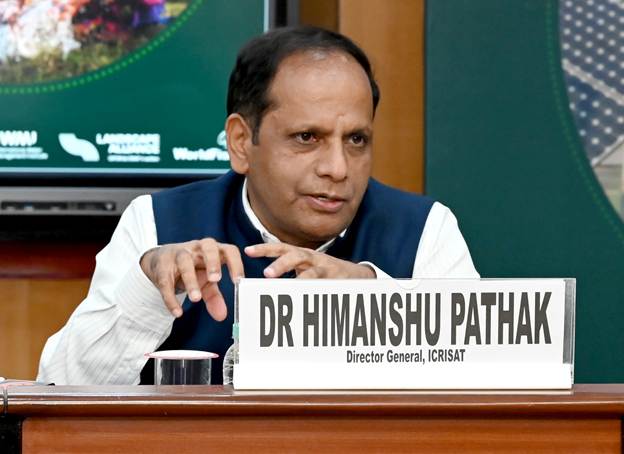
Himanshu Pathak, Director General of ICRISAT, said India's journey "from a food-deficit nation to a major food-producing and exporting country reflects the transformative power of science, technology and international partnerships".
What happens next
The first edition was held in Nairobi, Kenya, in April 2025. The New Delhi edition will focus on moving "from science to impact" and on how research can contribute to India's vision for 2047. Topics are expected to include climate resilience, water, soil health, public-private partnerships, and the participation of youth and women.
Photos
Source: official release by the Ministry of Agriculture & Farmers Welfare, issued through the Press Information Bureau, Government of India (30 OCT 2026 2:29PM by PIB Delhi). Read the full official text: India to Host ICAR- CGIAR Science and Partnership Week 2027 in New Delhi from April 12–17; Over 5,000 Delegates Expected to participate.
How we verified this
VerifiedEvery fact, figure and quotation is taken from the official PIB release (Release ID 2330371) issued by the Ministry of Agriculture & Farmers Welfare on 30 OCT 2026 2:29PM by PIB Delhi; checked against the source on publication. Story written by BDT from that release; no outside facts added.
Sources
- 1.India to Host ICAR- CGIAR Science and Partnership Week 2027 in New Delhi from April 12–17; Over 5,000 Delegates Expected to participate — Press Information Bureau, Government of India