ExplainersExplainerVerified
Explained: how India’s cloud ecosystem works, from 30 empanelled providers to data sovereignty
India had 1,092.79 million internet subscribers in March 2026, and the government is building domestic cloud capacity.
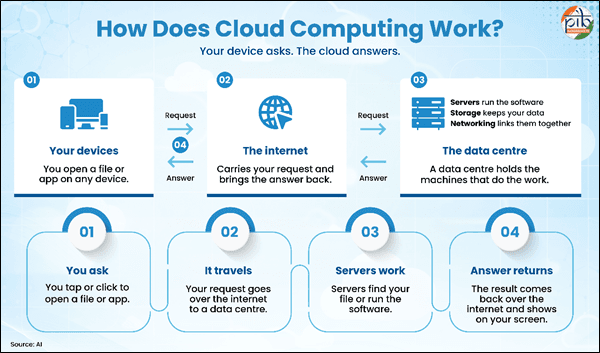
India has empanelled 30 cloud service providers, and the government says building domestic cloud capacity is central to keeping control of the country's data, according to a PIB backgrounder published on 29 October.
The explainer lays out why the demand is growing. India's internet subscriber base reached 1,092.79 million in March 2026. Average wireless data use was 25.51 GB per subscriber a month, and total wireless data use rose to 285,376 petabytes in 2025-26.
What cloud computing is
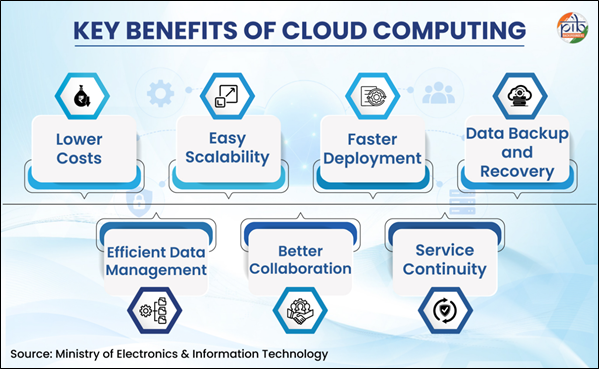
Cloud computing means using servers, storage and software over the internet instead of buying and running your own. A government department, for example, can host its applications on a cloud platform rather than maintaining all the equipment itself. The release lists benefits such as lower costs, faster launch of services, easy scaling, backup and recovery, and service continuity.
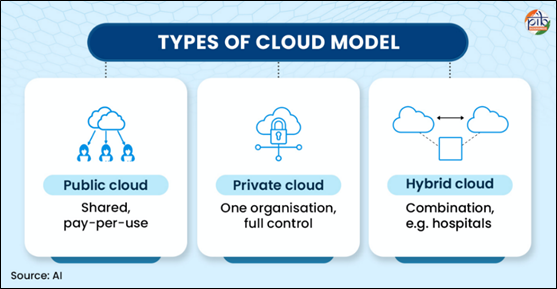
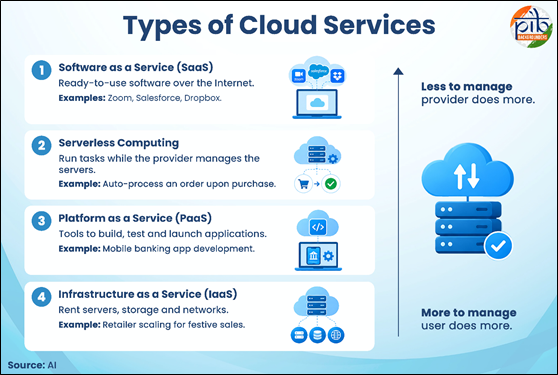
It describes three models: public cloud, shared among customers; private cloud, dedicated to one organisation; and hybrid cloud, a mix of both. It also explains four service types: infrastructure, platform and software as a service, and serverless computing.
India's cloud ecosystem
As of September 2026, 30 providers are empanelled, with infrastructure in cities including Mumbai, Chennai, Hyderabad, Bengaluru, Delhi-NCR and Jamnagar. They include Indian companies such as Jio Platforms, TCS, BSNL, RailTel and Yotta Data Services, and international ones such as Google, Oracle, Microsoft and Amazon Web Services. The release says initiatives such as MeghRaj support domestic capability.
A case study: BHASHINI
In February 2026, the Ministry of Electronics and Information Technology reported that the BHASHINI language platform had moved to an Indian cloud run by Yotta Data Services, keeping its language data, AI models and citizen interactions within India's jurisdiction. The deployment reportedly achieved up to 40% better performance, 20–30% cost savings and 99.99% uptime.
Photos

Source: official release by the PIB Backgrounder, issued through the Press Information Bureau, Government of India (29 OCT 2026 2:04PM by PIB Delhi). Read the full official text: Cloud Ecosystem in India.
How we verified this
VerifiedEvery fact, figure and quotation is taken from the official PIB release (Release ID 2329978) issued by the PIB Backgrounder on 29 OCT 2026 2:04PM by PIB Delhi; checked against the source on publication. Story written by BDT from that release; no outside facts added.
Sources
- 1.Cloud Ecosystem in India — Press Information Bureau, Government of India