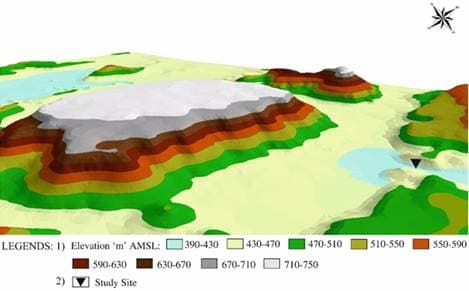
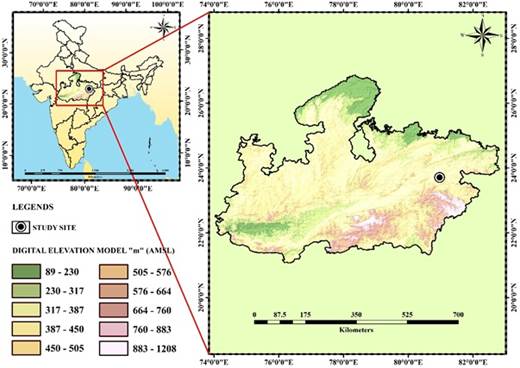
Pollen preserved in a wetland at Bandhavgarh Tiger Reserve shows that central India's forests have recovered under favourable monsoons, according to a new study by the Birbal Sahni Institute of Palaeosciences (BSIP), an institute of the Department of Science and Technology.
The record covers about 2,700 years.
What the pollen shows
- Around 2,700 to 2,300 years ago (BP) the region had a strong Indian Summer Monsoon.
- From 2,300 to 1,600 years ago it went through several climate phases, including high humidity and prolonged drought, which changed the make-up and spread of the forest.
- From 1,600 to 820 years ago the monsoon was stable and signs of human activity increased.
- In the last 400 years the monsoon strengthened and the forests recovered.
The researchers say this shows the resilience and regenerative capacity of the tropical forests of the region when conditions are favourable.
Why it matters
The monsoon drives India's climate, ecosystems and water, and farming depends heavily on it, so even small shifts in strength or timing can affect crops and food security. High-resolution records of the past monsoon in the Core Monsoon Zone of central India have been scarce, the release says, which is the gap this study helps fill.
Photos
Source: official release by the Ministry of Science & Technology, issued through the Press Information Bureau, Government of India (20 NOV 2026 3:13PM by PIB Delhi). Read the full official text: Pollen from wetland of Bandhavgarh Tiger Reserve regenerative capacity of tropical forest ecosystems.
How we verified this
VerifiedEvery fact, figure and quotation is taken from the official PIB release (Release ID 2339006) issued by the Ministry of Science & Technology on 20 NOV 2026 3:13PM by PIB Delhi; checked against the source on publication. Story written by BDT from that release; no outside facts added.
Sources
- 1.Pollen from wetland of Bandhavgarh Tiger Reserve regenerative capacity of tropical forest ecosystems — Press Information Bureau, Government of India